


Knowledge base
Guides & Explainers
Practical explainers, worked examples, and buying guides that sit behind the calculators.
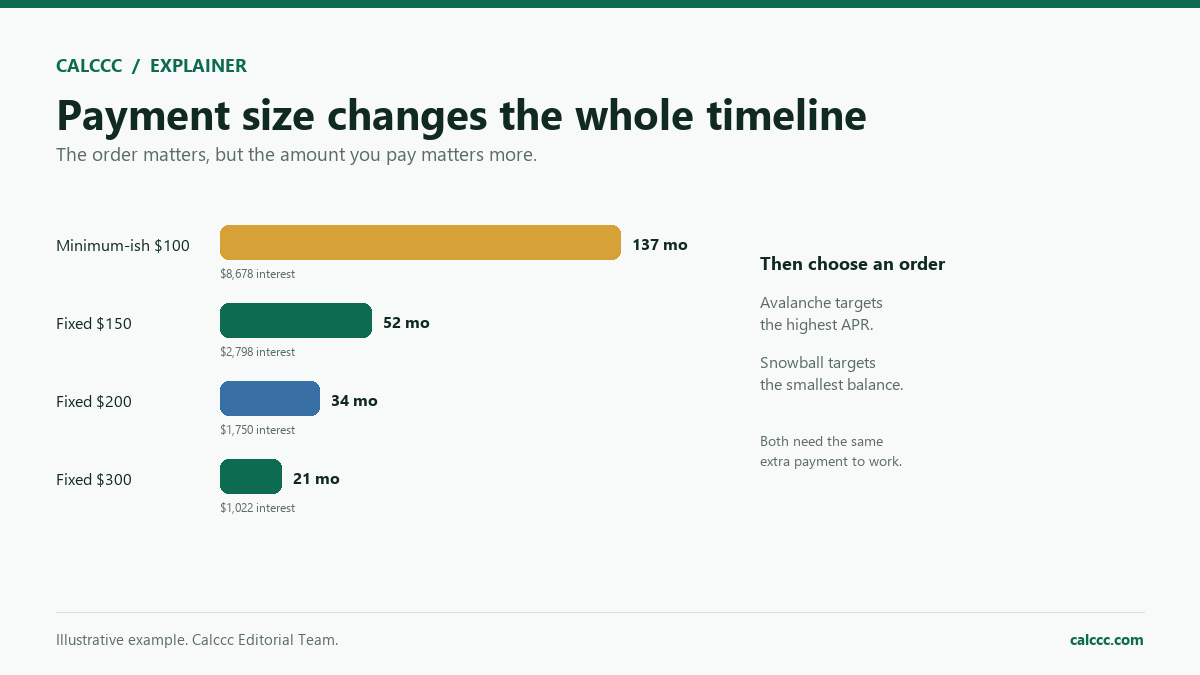
Credit Card Payoff Methods Compared: Which Fits You?
Minimums, snowball, avalanche, balance transfers, and consolidation each solve a different problem. Compare the trade-offs before you pick a plan.
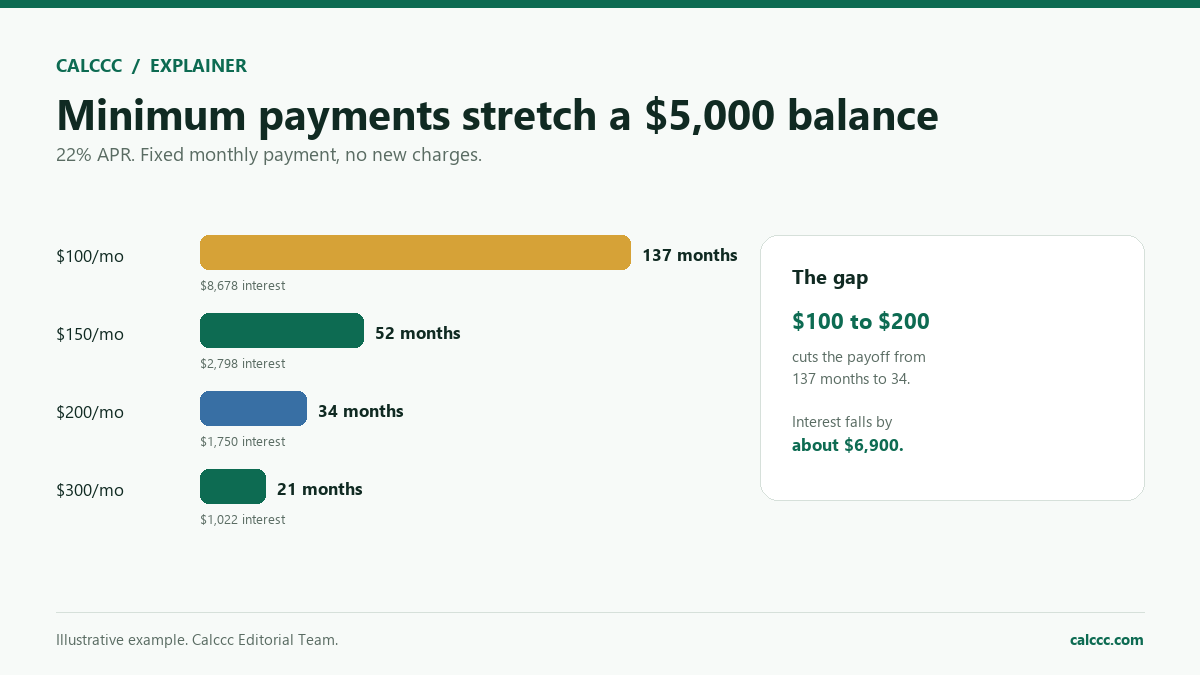
Why Minimum Credit Card Payments Keep You in Debt
Minimum payments are designed to keep the account current, not to pay it off quickly. See the real math on a $5,000 balance and the practical ways out.
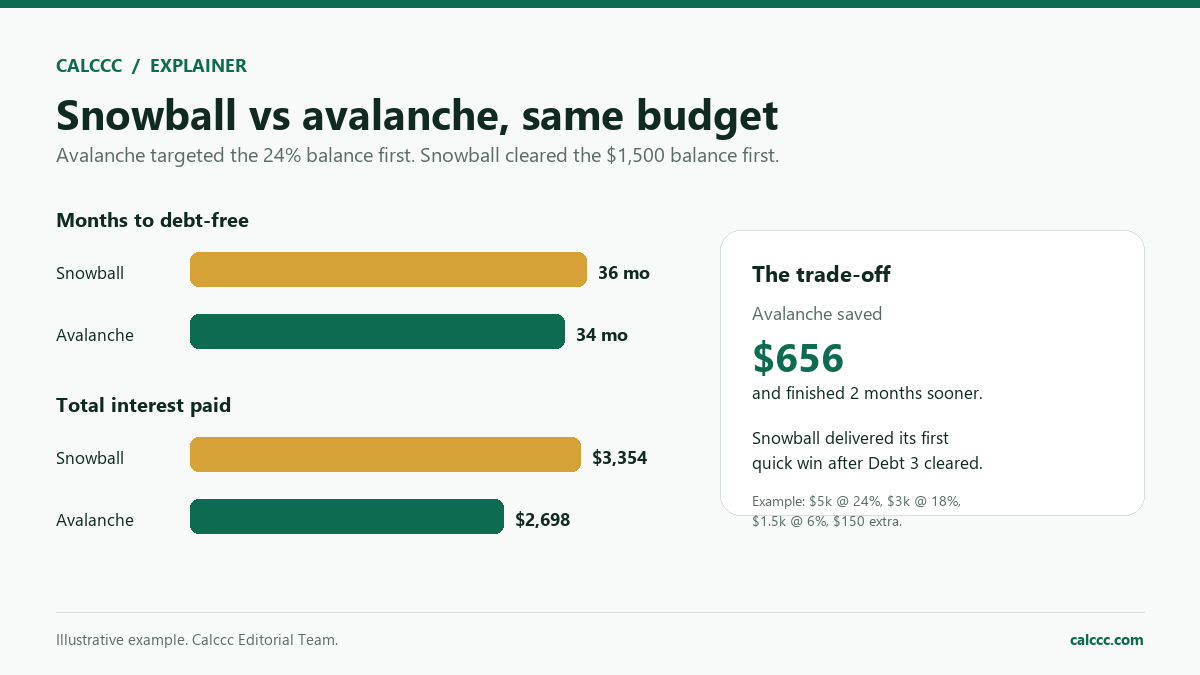
Snowball vs Avalanche: Which Debt Payoff Saves More?
We compare snowball and avalanche with the same budget, the same debts, and the same extra payment — then look at the behavior gap the math does not capture.
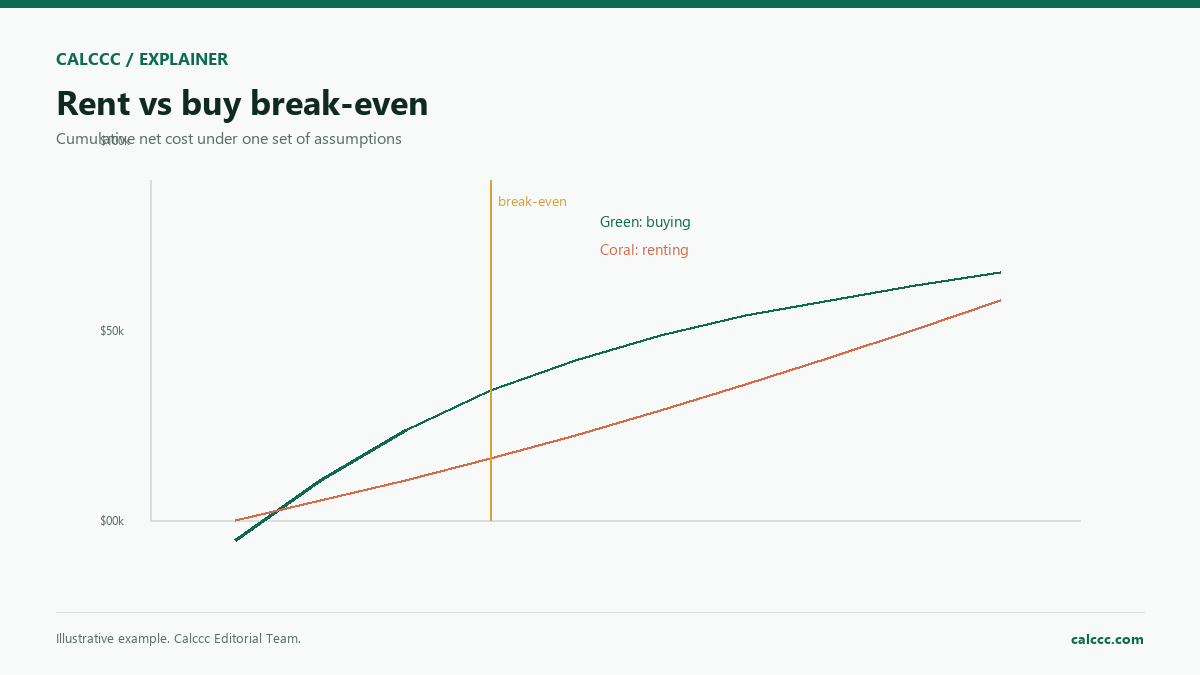
Rent vs Buy: What the Monthly Payment Hides
A mortgage payment is not the whole cost of owning, and rent is not the whole cost of renting. Compare the two on the same timeline.
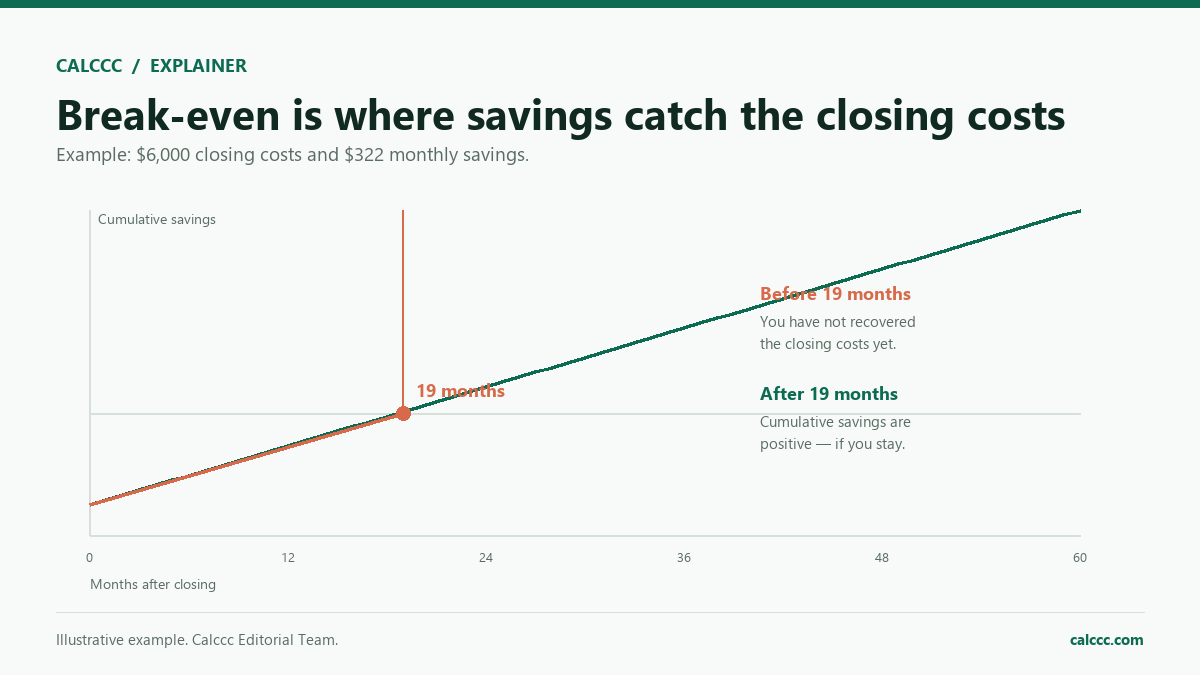
Refinance Break-Even: When Closing Costs Are Worth It
A lower rate is not enough. We explain break-even in plain English, compare a 30-year reset with a shorter term, and show the cash-out trap.
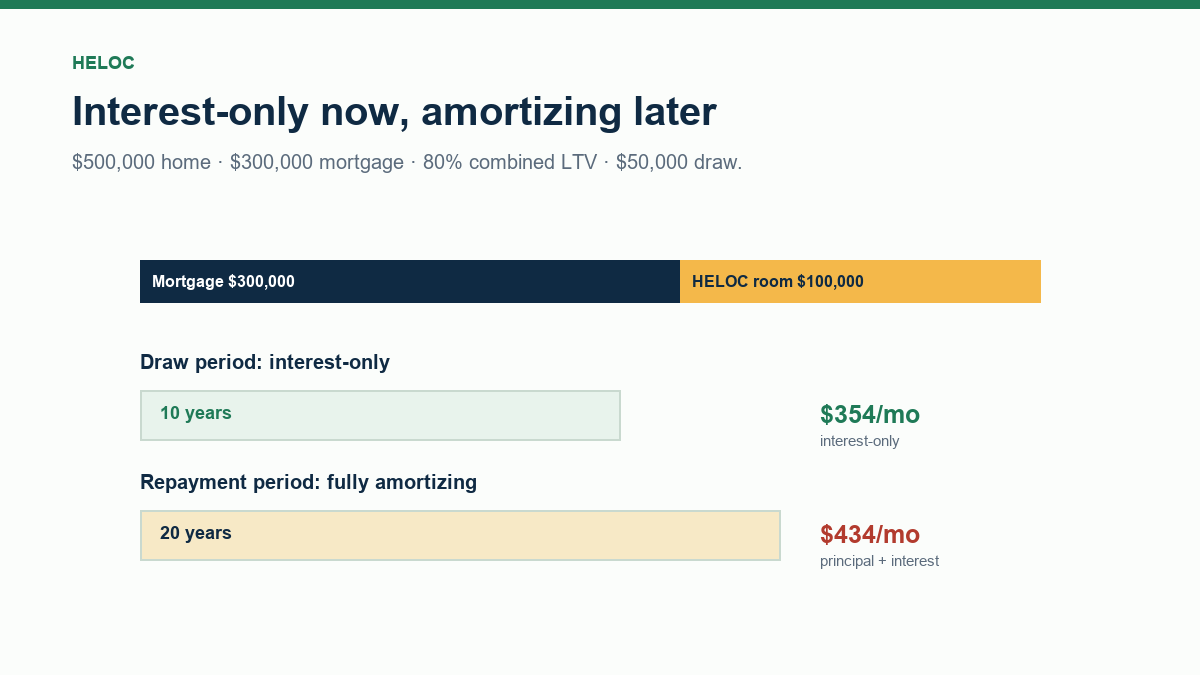
HELOC Guide: How the Draw Period, Repayment, and Payments Work
Understand how a home equity line of credit is calculated, why the interest-only payment changes after the draw period, and what to check before borrowing.
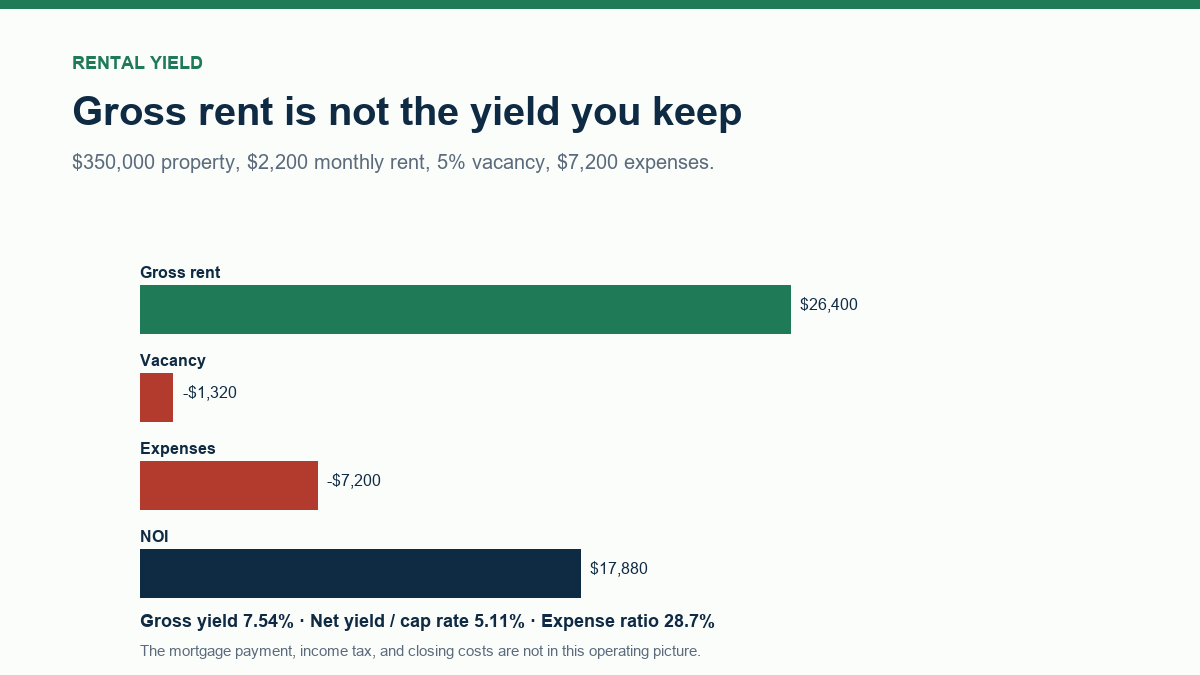
Rental Yield Explained: Gross Yield, Net Yield, and Cap Rate
Learn how gross rental yield, net rental yield, and cap rate differ, what expenses to include, and how to compare rental properties without confusing yield with cash flow.
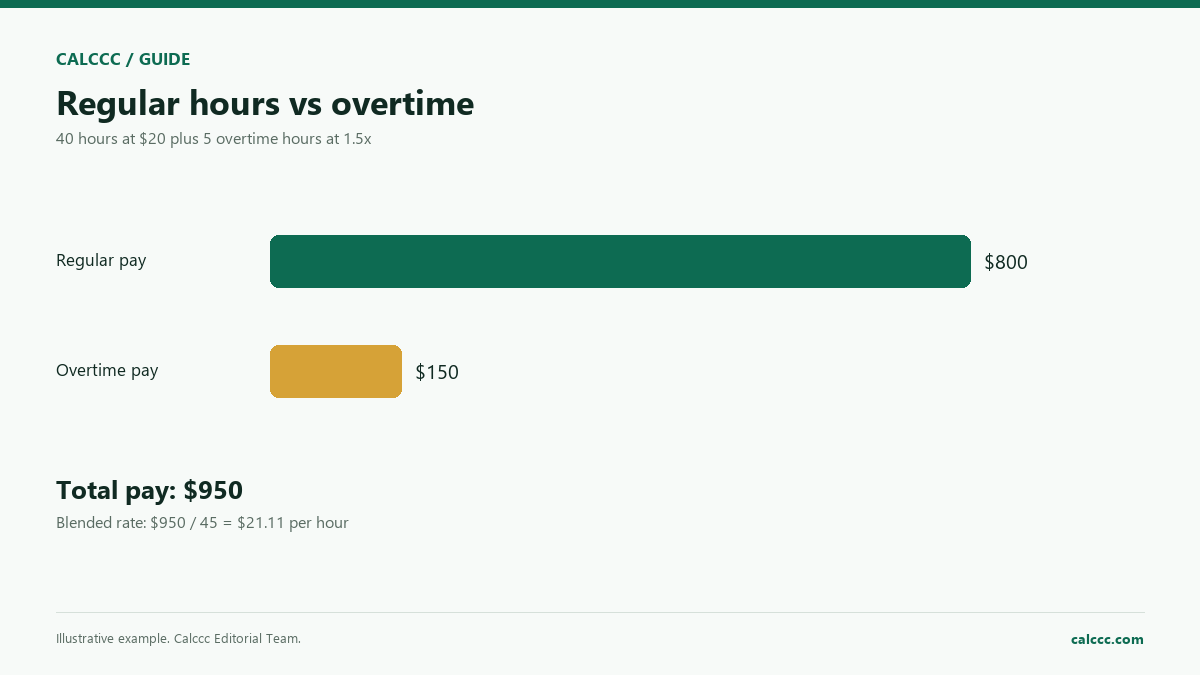
Overtime Pay: How the 1.5x Rate Actually Works
Overtime is not just hours times a higher rate. See how the regular rate, the 40-hour workweek, bonuses, and exemptions change the answer.
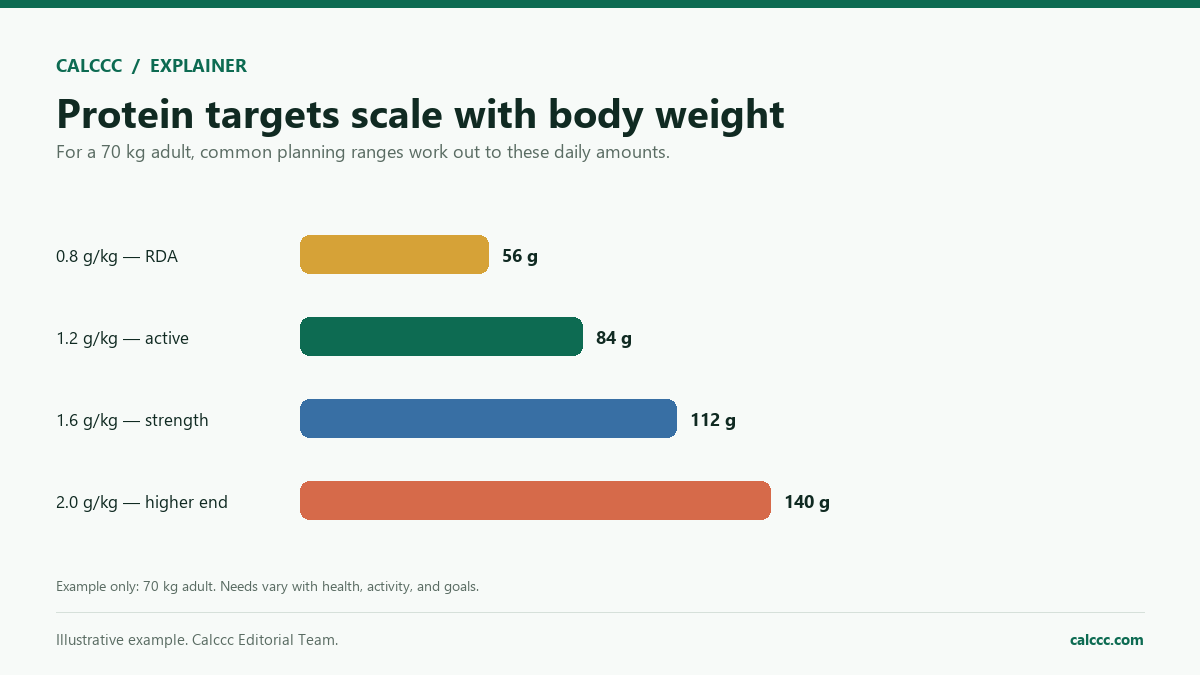
Protein Target: How Much Protein Do You Need?
The RDA is a minimum, not a goal for everyone. Learn how protein needs scale with body weight, activity, and age, and how to spread it across the day.
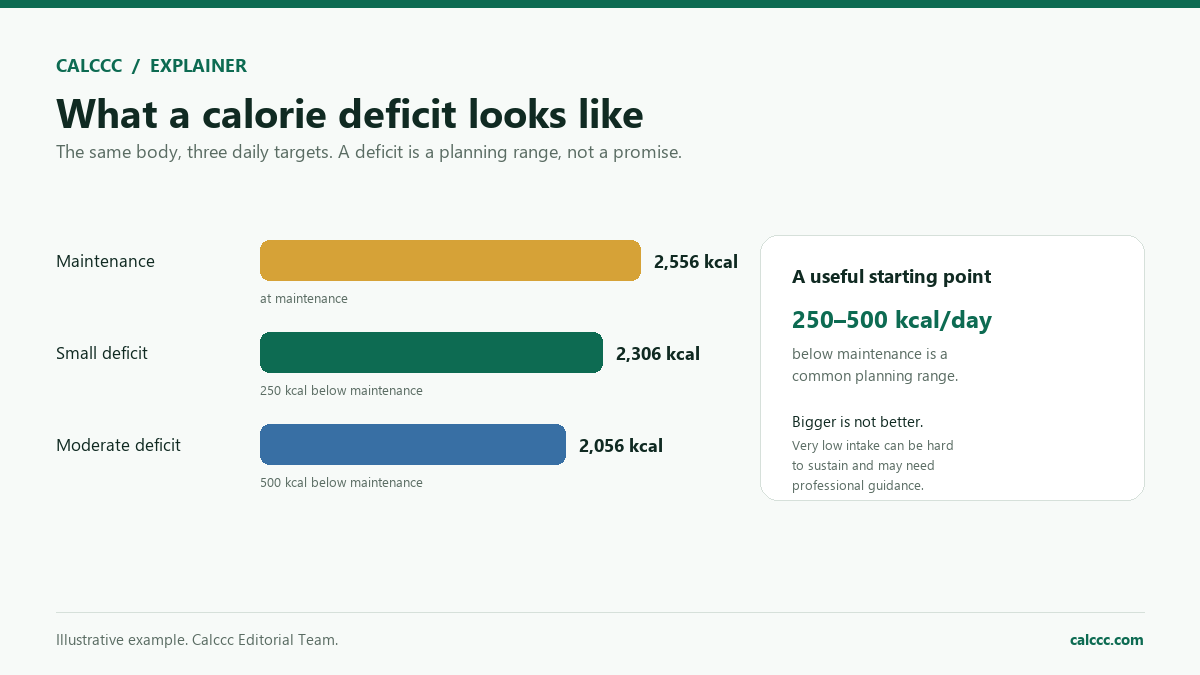
Calorie Deficit Explained: How Much Should You Cut?
A calorie deficit is the gap between what you burn and what you eat. Learn how to estimate it and why 500 calories is only a starting point.