


Knowledge base
Guides & Explainers
Practical explainers, worked examples, and buying guides that sit behind the calculators.
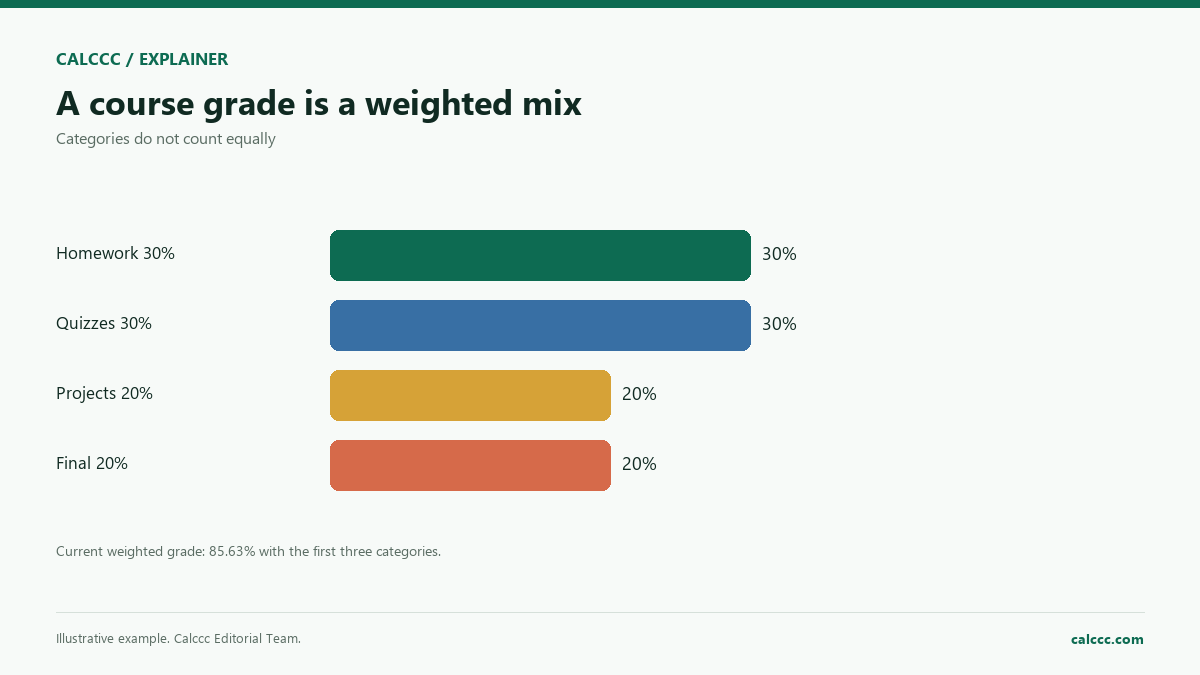
Weighted Grades: Where Your Course Grade Really Comes From
A 90% average is not a 90% course grade if the weights disagree. Learn weighted averages and the final exam score you actually need.
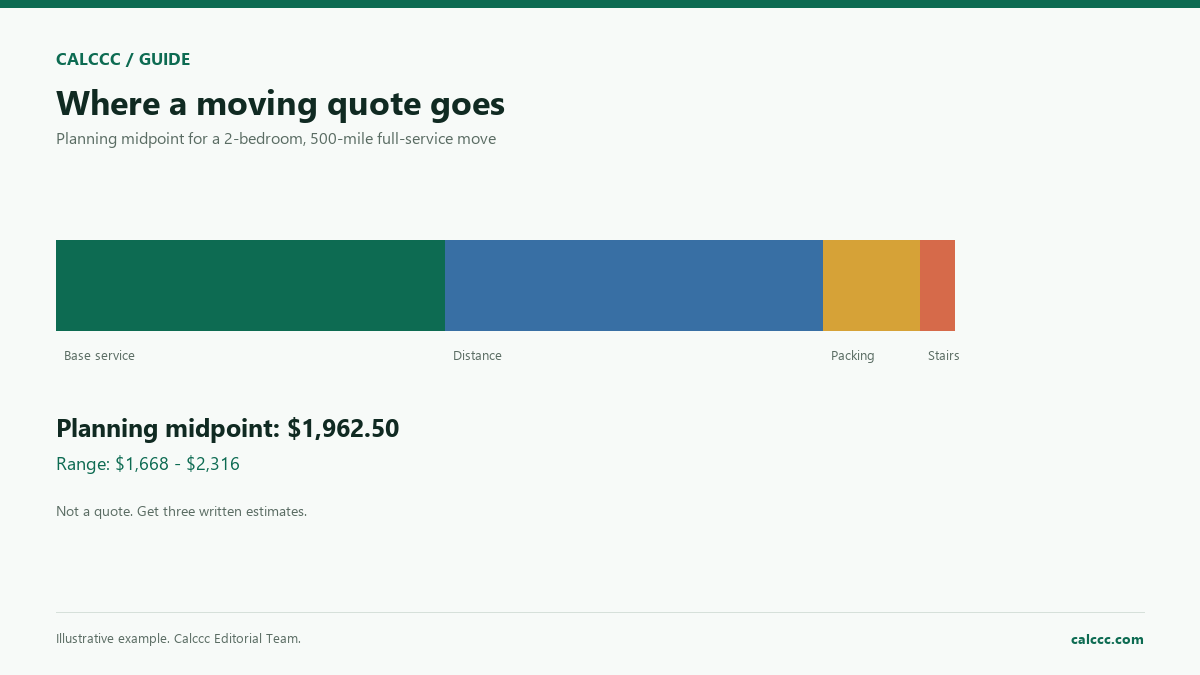
What Actually Drives the Cost of a Move
Distance, volume, access, packing, and estimate type explain most of a moving quote. Learn how to compare bids and avoid the classic traps.
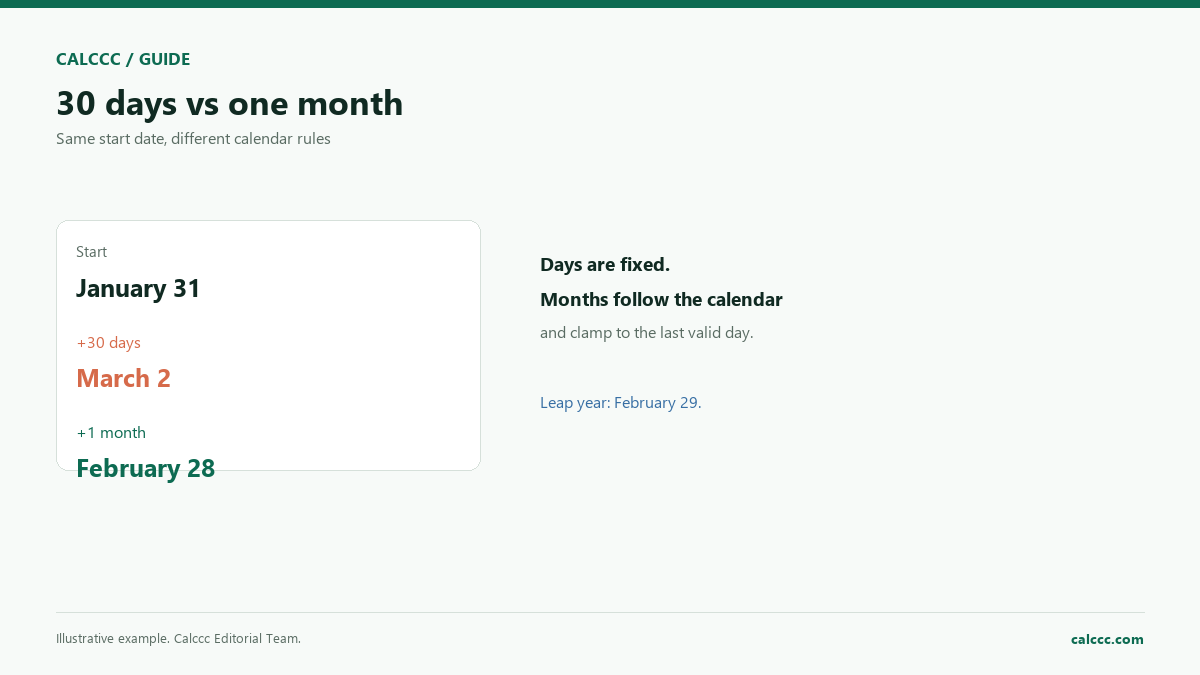
Adding Days, Weeks, and Months to a Date Without Getting Burned
Why 30 days and one month are not the same, how leap years work, and how to check a deadline before you rely on it.
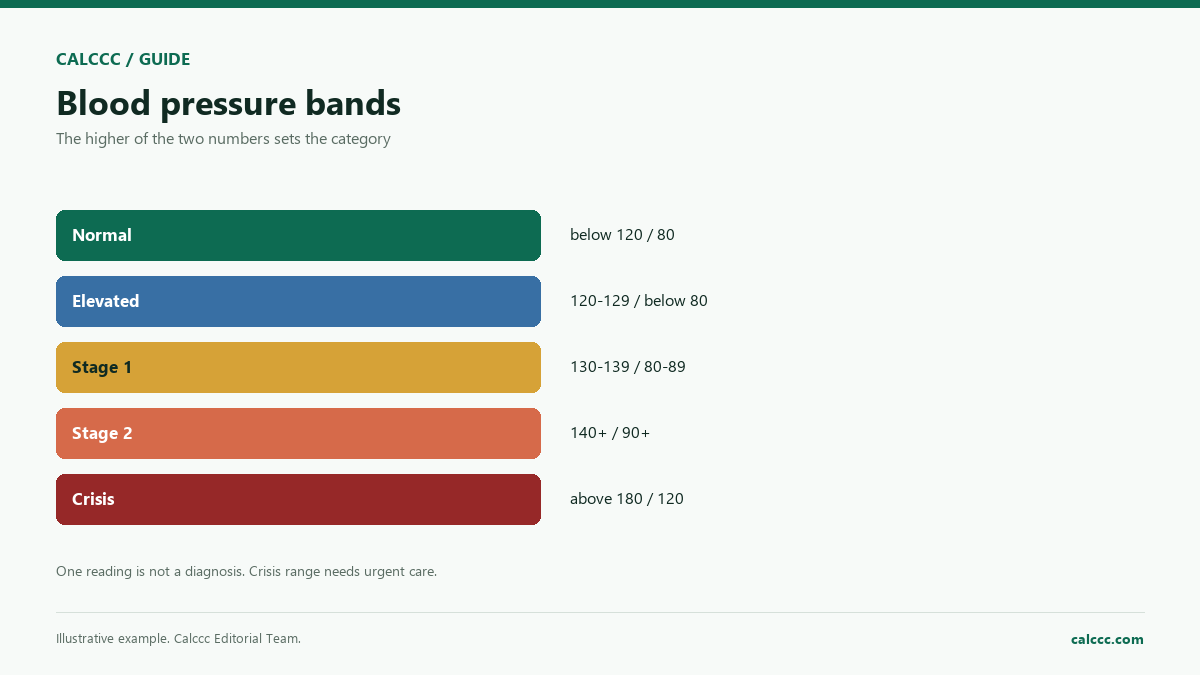
Blood Pressure Numbers: What They Mean
Systolic, diastolic, pulse pressure, and the crisis range explained. Learn how to measure properly and why one reading is not a diagnosis.
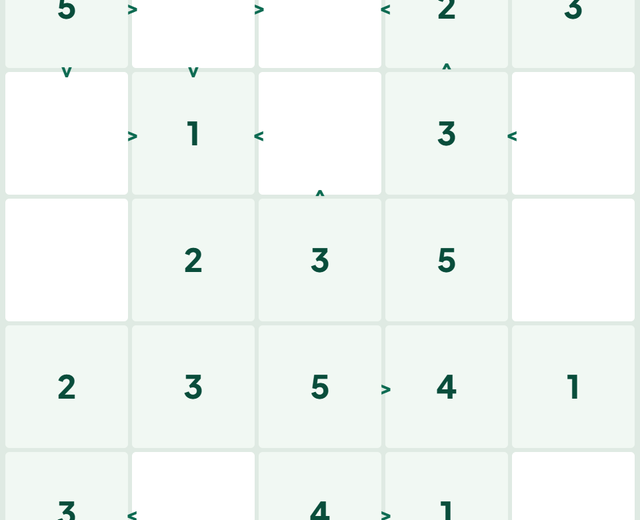
Futoshiki Strategy: Latin Squares with Inequality Clues
A clear Futoshiki method: use the inequality signs first, eliminate digits by row and column, and treat chains of signs as one constraint.
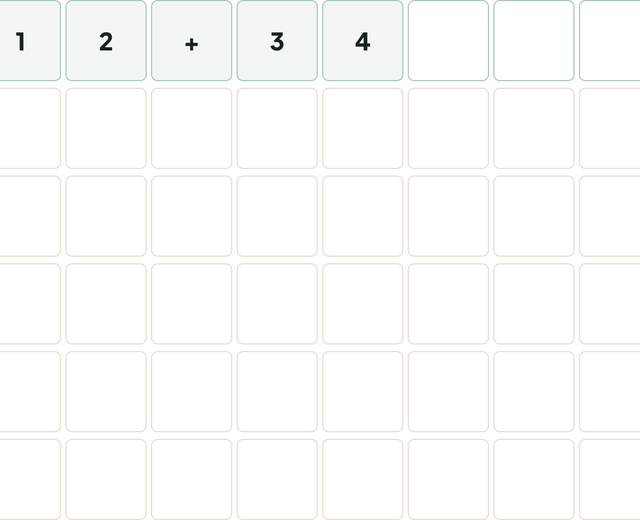
Daily Number Strategy: Turn Green, Purple, and Black into a Clean Solve
How to use the feedback colours in a Wordle-style equation game, choose a strong opener, and avoid wasting guesses on repeated characters.
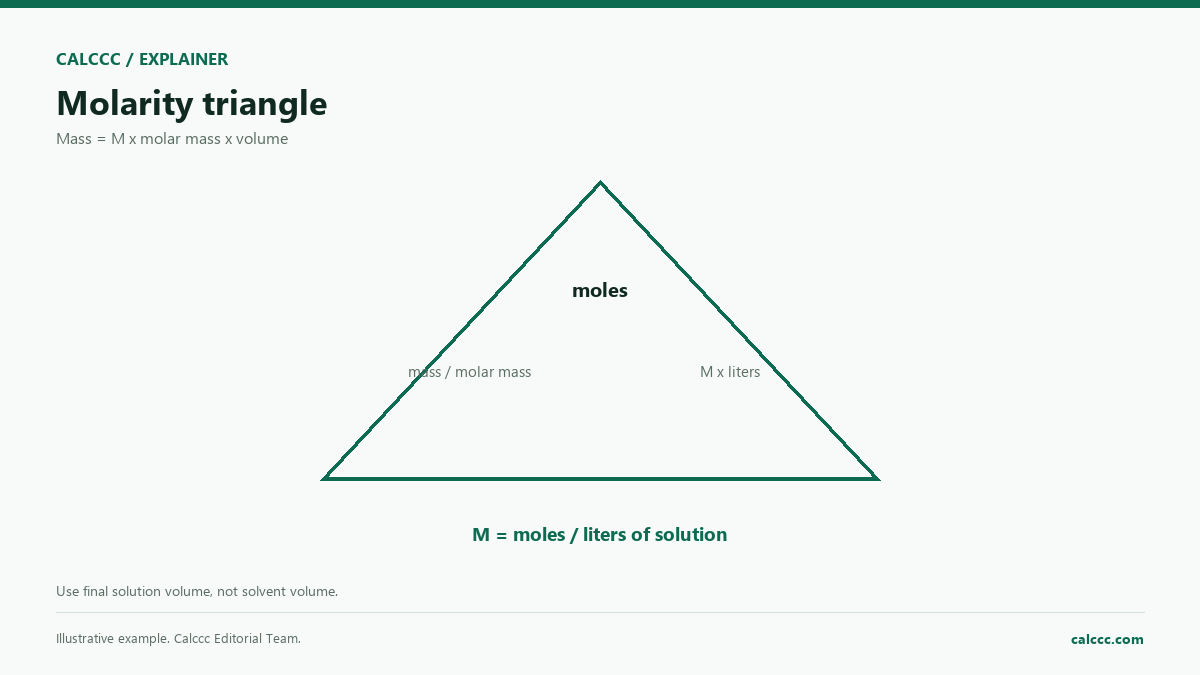
Molarity Without the Unit Mistakes
Molarity is moles per liter of solution. Learn how to solve for concentration, mass, or volume and avoid the solvent-volume trap.
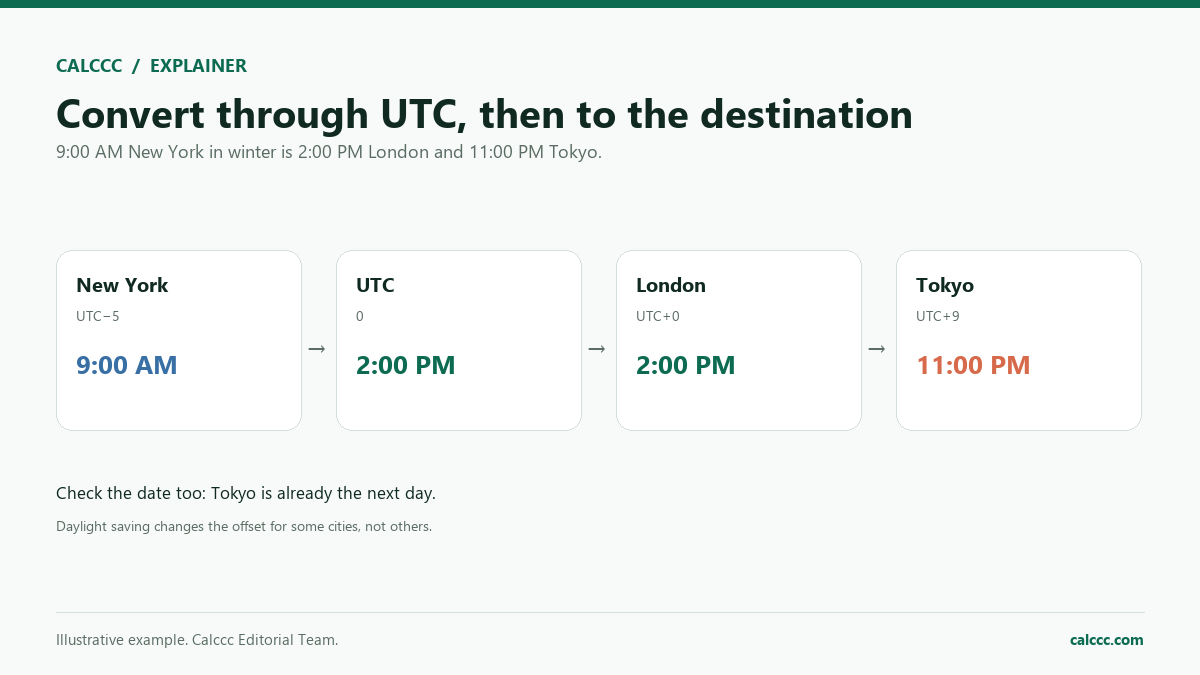
Time Zone Conversion Without the Guesswork
UTC offsets, daylight saving, and the date line can turn a simple meeting into a mistake. Learn a reliable way to convert times across zones.
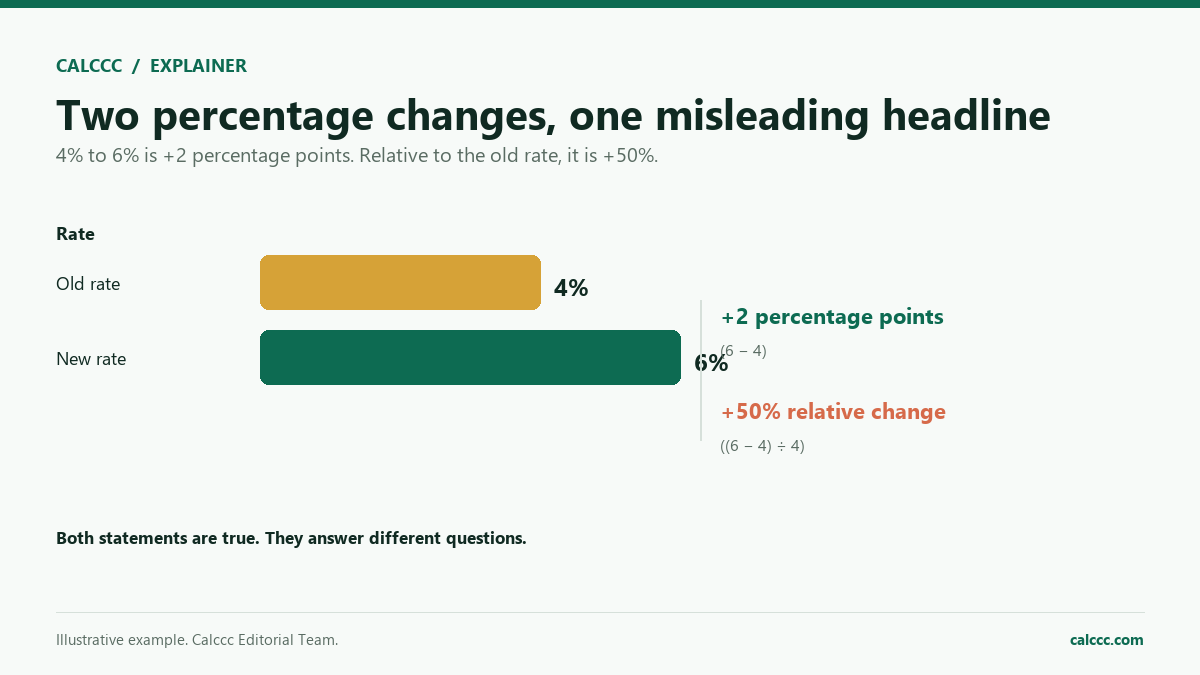
Percentage Change vs Percentage Points: A Practical Guide
A move from 4% to 6% is +2 percentage points but +50% relative change. Learn the formulas, the base problem, and the markup-vs-margin trap.
Cryptogram Strategy: Decode Patterns, Not Letters
Solve a cryptogram with one-letter words, common patterns, letter frequency, and the discipline to keep a consistent mapping.